CIN: U80301TG2020NPL146584 Organisation Details
Programme areas

Human skills, community resilience and future-ready awareness.

Our work is organised into five primary and five secondary focus areas. Specific activities can be adapted to local needs, available resources and partnership goals.

Integrated community programme activities
KALSKILLS FOUNDATION programme concepts can combine awareness, learning, hands-on training and guided participation.
Programme design

Integrated interventions instead of isolated activities.

Our programme architecture is intentionally broad so that projects can be designed around different needs and age groups. A single initiative may combine awareness, training, mentoring, demonstrations, outreach and follow-up support.

  • Suitable for youth, women, students, families and community groups.
  • Can be structured as camps, workshops, short courses or awareness drives.
  • Flexible for partnerships with schools, companies, trainers and institutions.
  • Designed to support measurable participation and practical outcomes.
Primary areas

Core programme themes

Focus on learning, wellbeing, employability, culture and public safety.

Art and culture programme
Art & Culture

Creative and Cultural Development

Programmes can promote creative learning, cultural expression and community participation.

  • Art, music, theatre and creative workshops
  • Cultural heritage and local talent platforms
  • Youth cultural participation
  • Awareness through creative media
Education and literacy programme
Education & Literacy

Learning and Literacy Support

Accessible learning can improve confidence, participation and opportunity across age groups.

  • Foundational and remedial learning support
  • Adult and digital literacy
  • Career and educational awareness
  • Learning resources and community sessions
Health and family welfare programme
Health & Family Welfare

Preventive Health and Family Wellbeing

Community awareness can support better everyday health choices and timely access to services.

  • Health, hygiene and nutrition awareness
  • Family welfare information sessions
  • Maternal, child and adolescent wellbeing awareness
  • Community health camps through qualified partners
Skill development and vocational training
Skill Development

Vocational Training and Employability

Practical, market-aware skills help learners move toward work, self-employment and entrepreneurship.

  • Vocational and trade-oriented courses
  • Computer and digital productivity skills
  • Entrepreneurship and workplace readiness
  • Communication, soft skills and job preparation
Disaster management and road safety
Disaster & Road Safety

Preparedness and Safer Communities

Awareness programmes can strengthen individual and community readiness for emergencies and road risks.

  • Disaster preparedness and response awareness
  • Basic first-aid awareness with qualified trainers
  • Traffic rules, helmet and seat-belt awareness
  • Pedestrian and school-zone road safety
Secondary areas

Social, environmental and technology themes

Complementary programmes that support informed, resilient and future-ready communities.

Environment and forest awareness
Environment & Forest

Environmental Awareness and Conservation

Promoting responsible behaviour toward forests, local ecosystems and natural resources.

  • Tree plantation and care awareness
  • Waste reduction and clean-community drives
  • Water and biodiversity awareness
  • Community environmental education
Social development initiatives
Social Development

Community Development and Awareness

Inclusive community initiatives can strengthen participation, information access and social wellbeing.

  • Community awareness programmes
  • Youth and women participation initiatives
  • Social inclusion and civic responsibility
  • Information and referral support
Financial literacy training
Financial Literacy

Money, Banking and Financial Awareness

Practical financial education can help households make safer, more informed financial decisions.

  • Saving, budgeting and basic banking
  • Digital payments and cyber-fraud awareness
  • Government financial-scheme awareness
  • Responsible borrowing and financial planning basics
Solar energy awareness
Solar Energy

Clean Energy Awareness and Skills

Solar-energy programmes can introduce clean-energy concepts and support practical green-skill development.

  • Solar energy fundamentals
  • Household and community use cases
  • Green jobs and technician-awareness sessions
  • Energy efficiency and sustainability education
AI technology awareness
AI Technology

AI Awareness and Responsible Digital Skills

AI literacy can help students, youth and communities understand emerging tools and use them more productively and responsibly.

  • Introduction to artificial intelligence
  • AI for learning and productivity
  • Prompting and digital workflow basics
  • Responsible, safe and ethical AI awareness
Visual programme snapshot

Examples of how themes can come together.

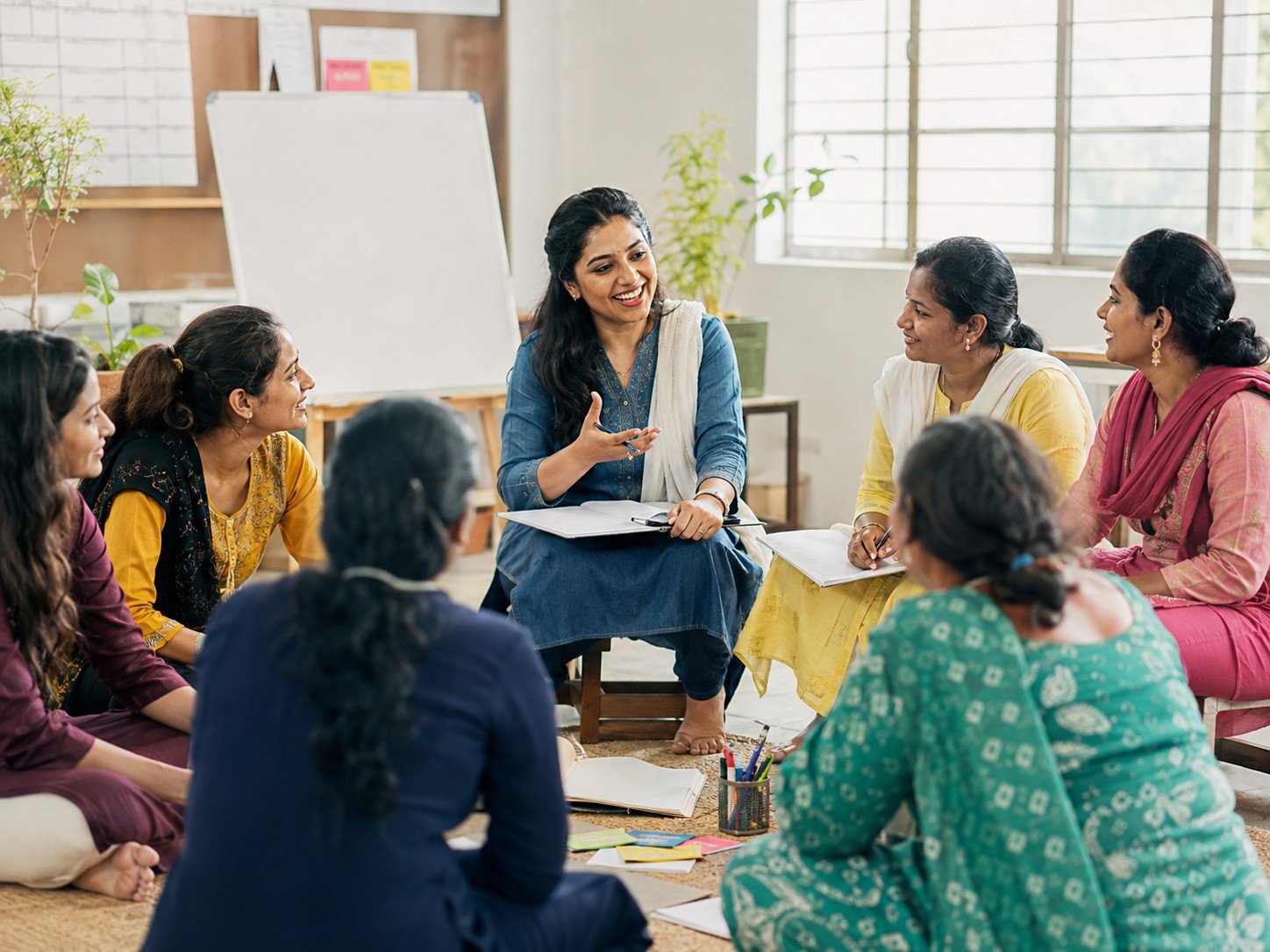
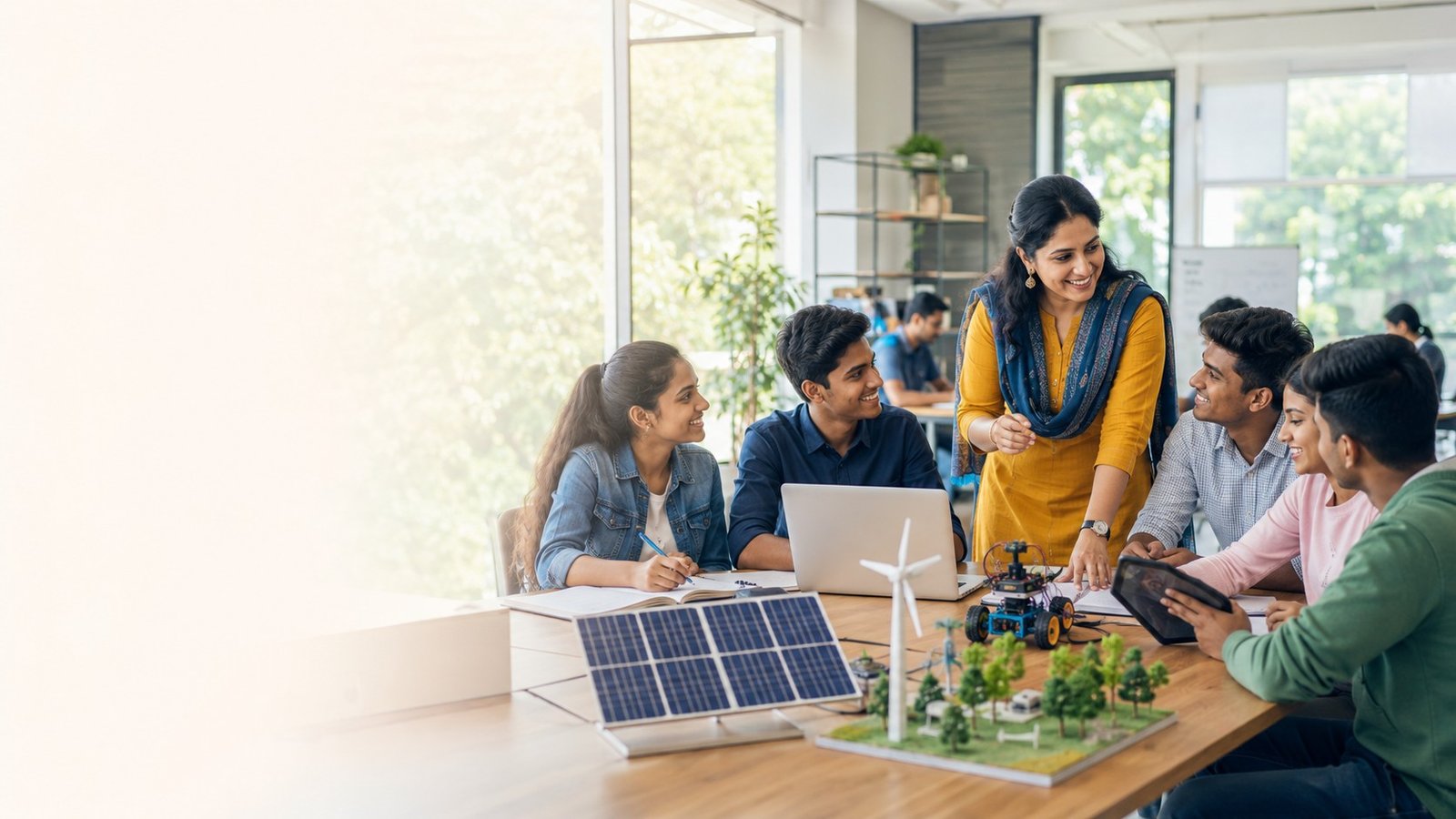
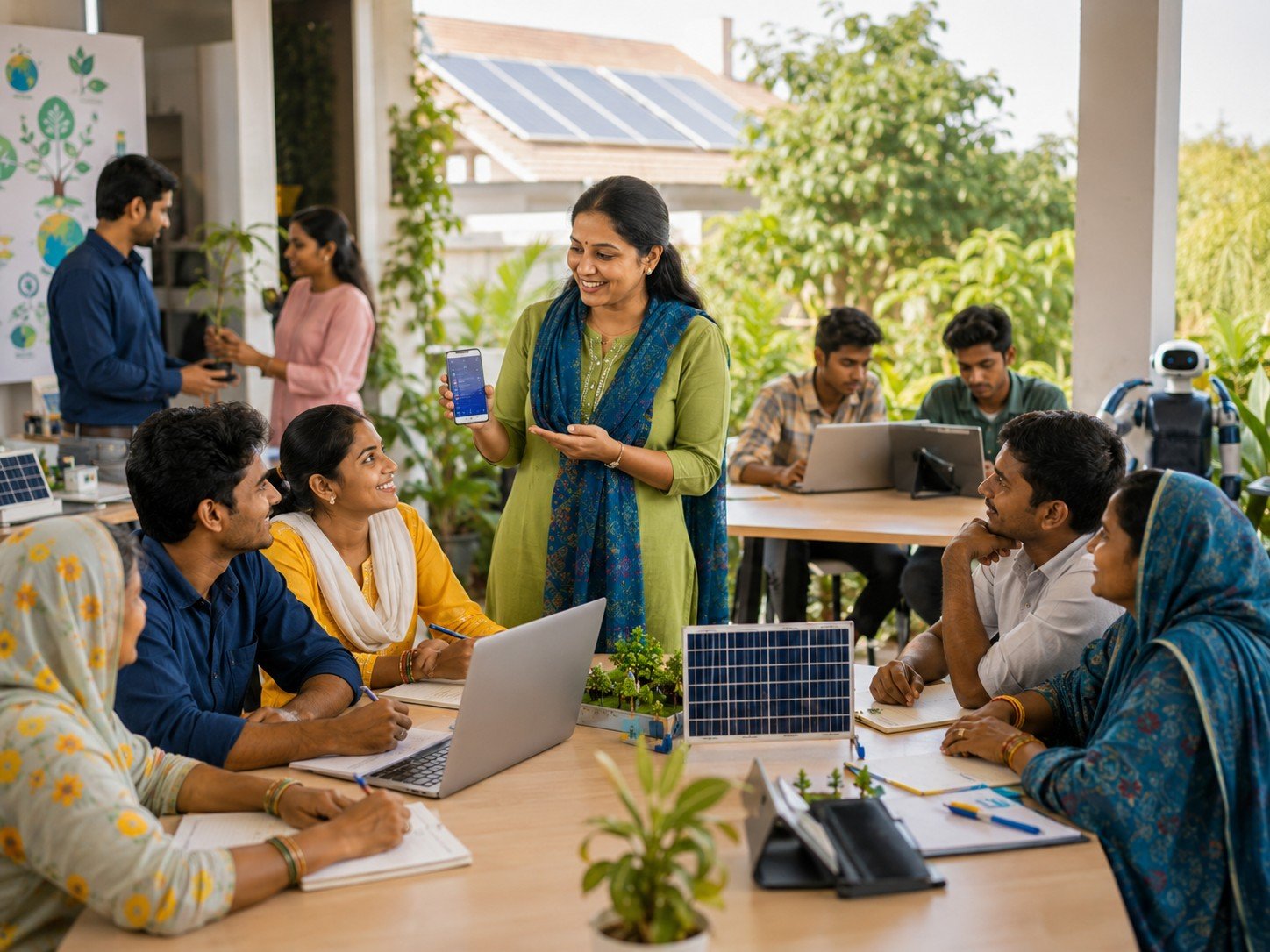
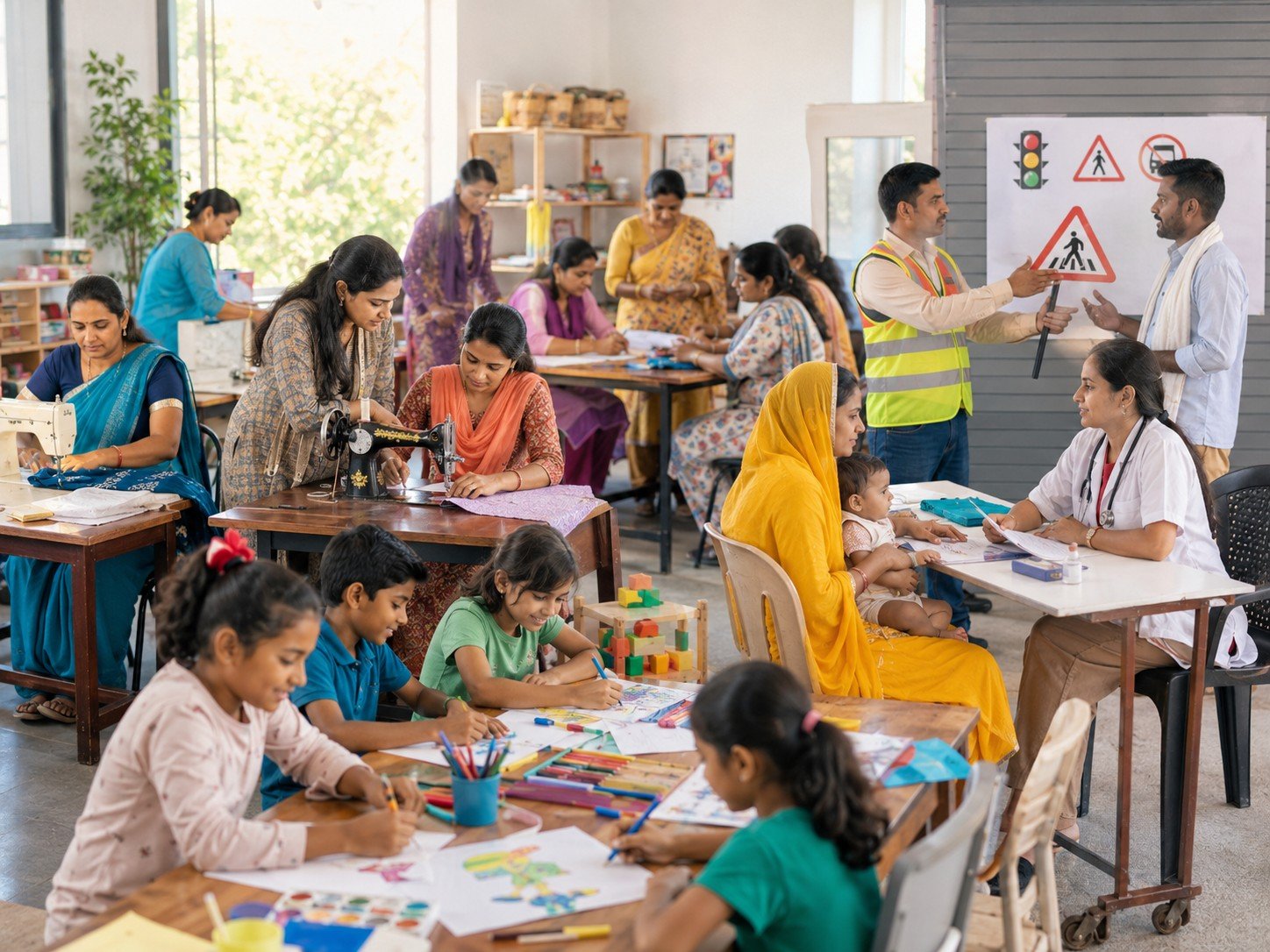
These visuals express the integrated, practical and people-centred nature of the foundation's programme direction.

Programme development

From idea to implementable project

Partnership projects can be developed with clear objectives, participants, activities, safeguards, budgets and reporting.

Need

Identify the target group and core challenge.

Outcome

Define what participants should learn or change.

Activities

Design workshops, training and engagement.

Evidence

Track participation, feedback and outputs.

Scale

Refine and expand successful formats.

WhatsAppW